Chapel Hill NC
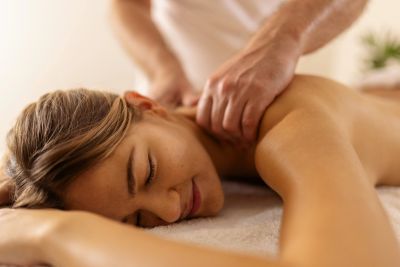
You Don't Have to Be Injured to Want Your Body to Feel Better
Not every ache needs a complicated explanation.
Sometimes your shoulders are tight because you have spent forty hours staring at a computer. Sometimes your legs are tired from training. Sometimes your back has had enough of gardening, traveling, lifting, golfing, or life in general.
And sometimes you simply know that you feel and move better when massage is part of your routine.
That counts too.
At Woods Edge Therapy, therapeutic massage is individualized around how your body feels, how you move, and what you want from the session.
You do not need a diagnosis.
You do not need an injury.
You can simply want to feel better.
What Is Therapeutic Massage?
Therapeutic massage is a broad term for hands-on soft tissue treatment intended to address muscular tension, soreness, restricted movement,, and the physical demands of everyday life.
A session may include deeper work, neuromuscular techniques, myofascial work, stretching, movement or more general massage depending on what your body needs that day.
There is no predetermined routine.
If your neck needs attention and your feet are perfectly happy, we do not need to spend equal time on both simply because the clock says so.
The treatment should fit the person, not the template.
Does Therapeutic Massage Have to Be Deep?
No.
Deep pressure can be useful, but deeper is not automatically better.
There are times when very specific pressure is appropriate and other times when lighter or broader work accomplishes more.
Good massage is not measured by how hard someone can push.
It is measured by whether the treatment makes sense for what we are trying to accomplish.
Your therapist should be able to adjust pressure, technique, and focus throughout the session based on how your tissues respond and what you are feeling.
What Can Massage Help With?
People seek therapeutic massage for all sorts of reasons.
Muscle tension and soreness are obvious ones, but massage can also be useful for people dealing with restricted movement, exercise-related fatigue, repetitive physical demands, general stiffness, or the accumulation of little aches that seem to arrive without asking permission.
Some clients use massage while recovering from demanding training or sports.
Others use it because sitting at a desk all week makes their neck miserable.
Some want help staying comfortable enough to golf, garden, travel, exercise, or keep up with their grandchildren.
And some simply want an hour where their body gets some attention before it starts submitting formal complaints.
All perfectly reasonable.
Massage for Active Bodies
You do not have to compete professionally to have an active body.
Runners, golfers, cyclists, pickleball players, lifters, hikers, and recreational athletes place repetitive demands on muscles and connective tissue.
So do nurses, contractors, hairstylists, parents, office workers and anyone else whose body performs the same tasks repeatedly.
Therapeutic massage can be used as part of recovery and maintenance to address the muscular workload that comes with doing the things you enjoy.
Because the goal is not to stop using your body.
The goal is to keep using it well.
Massage vs. Active Release Techniques
Sometimes people arrive wondering whether they need massage or Active Release Techniques.
You do not have to figure that out before you book.
ART is a more specific movement-based soft tissue treatment often used when we are trying to address a particular structure or movement related problem.
Therapeutic massage can be broader and may be the better choice when muscular tension, soreness, recovery, or general restriction is the primary concern.
Sometimes both approaches belong in the same treatment.
We choose techniques based on what we find rather than expecting you to diagnose yourself from a service menu.
What If Something Actually Hurts?
Tell us.
Pain gives us information.
When something has changed, persists, travels, causes numbness or tingling, affects strength, or behaves differently from ordinary muscular soreness, we want to know about it.
Sometimes massage is appropriate.
Sometimes a more targeted approach such as ART makes sense.
And occasionally the symptoms suggest that massage should wait until you have been evaluated elsewhere.
Knowing when not to treat something is part of good treatment too.
Therapeutic Massage in Chapel Hill and BRIAR CHAPEL
Woods Edge Therapy is bringing nearly three decades of hands-on experience to South Chapel Hill, Briar Chapel, Pittsboro, Carrboro, Fearrington Village, and northern Chatham County, with therapeutic massage designed for real bodies and real lives.
Come because something hurts.
Come because something feels tight.
Come because you train hard.
Or come because your shoulders have apparently migrated toward your ears and you would like them returned to their original location.
You do not need a more impressive reason.

Our Chapel Hill location is currently in development. Have a question about services, availability, or our opening?
Call or text us (919) 590-9507